

Customer Overview
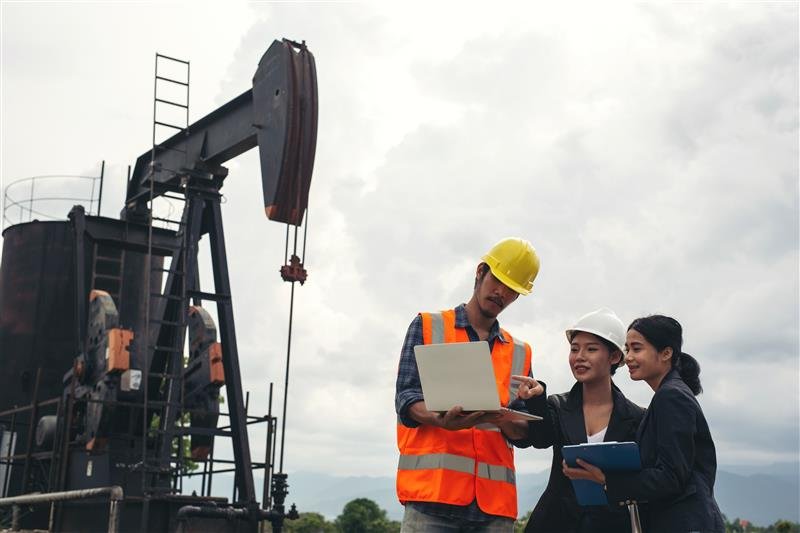
A major U.S.-based Operator (Current iNet customer, but “ABC” for this report) in the upstream oil and gas sector, known for operational excellence, advanced drilling technologies, and innovative field services, was struggling with digitalization efforts. They needed to digitally evolve over 50 production and drilling sites across remote land-based fields. These locations often suffer from poor or non-existent cellular coverage, hindering their digital transformation initiatives.
Architecture
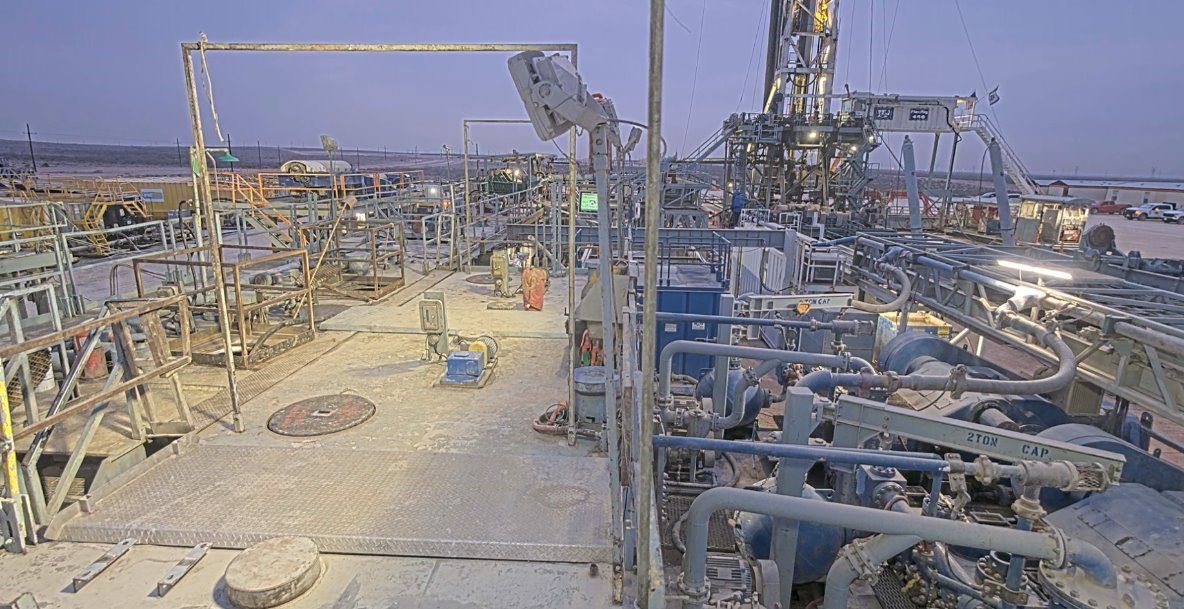
ABC had developed an advanced AI application designed to optimize Drilling and Completions operations. This platform required high-speed, low-latency data connectivity for real-time ingestion and processing of telemetry, mud logging, and rig performance data. However, their existing communications—traditional LTE — lacked sufficient reliability (and coverage) with too much latency to support the new AI functionality.
This only compounded their existing issues: SCADA systems, IoT deployments, and workforce communications were fragmented or unreliable, further compounding operational inefficiencies.
Commercials
Land based Oil & Gas operations are subject to a volatile market. With recent downturns and uncertain futures based on geo-political variables, ABC the financial viability of the inability to push the new AI based application to the edge would result in unacceptable fiscal and operational costs.
iNet LEOConnect
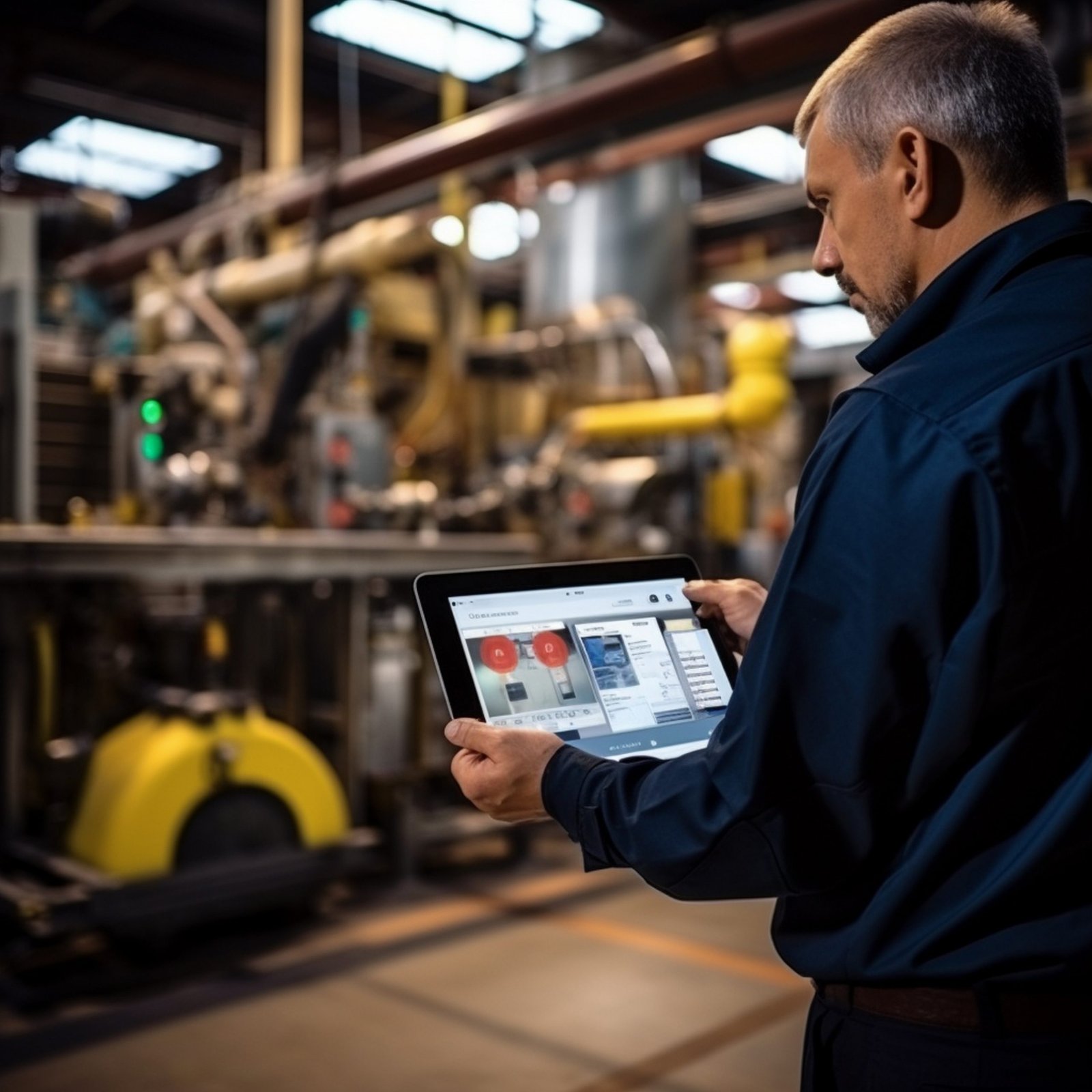
To overcome these limitations, the Operator partnered with iNet to implement LEOConnect, a modern network solution that combined.
- Starlink LEO Satellite Terminals: Providing high bandwidth internet with sub-80ms latency.
- SD-WAN: Orchestrating application-based routing, intelligent failover, and centralized network management
This Starlink provided the backbone that allowed everything else to fall into place. SD-WAN was not possible previously because existing data paths were to slow and too low to allow for that kind of optimization. The Starlink architecture enabled ABC to securely and reliably connect their field assets and AI application across their U.S. drilling and production remotes.
| Policy | Service Class | Priority | Services & Applications | SLA |
|---|---|---|---|---|
| Internet Policy | Low Priority |
|
Crew welfare, video streaming, personal use, non-business applications | Best Effort |
| ABC Business | ABC | Medium Priority | 1 |
|
“Drilling Application”* “Security Application”* |
Loss 1% Max Latency 100ms Max Jitter 50ms |
| ABC Business | Web | ABC | Medium Priority | 2 |
|
“Cloud Data Management App”* |
Loss 2% Max Latency 250ms Max Jitter 100ms |
| ABC Realtime | ABC | High Priority |
|
Zoom MS Teams |
Loss 0.5% Max Latency 100ms Max Jitter 50ms |
| VoIP | Telephony |
|
VOIP | MOS 3.8 |
*Specific Applications, withheld for customer security
Solution Implementation Highlights
- 4 New Applications: Deployed that were not possible with previous systems.
- 99.9% Uptime: Communications Reliability. Enabled faster decision-making and drilling optimization.
- Improved Safety & Monitoring: Reliable video surveillance of rigs and yards.
- 63% Data Costs Savings: Data Transfer from site to corporate real-time center. Also, reduced full dependency on slower speed LTE and higher-cost communications alternatives for similar bandwidth.
- 28% Lower Maintenance Costs: Fewer callouts to site for communications issues. Average call-out cost: $1,500 - $2,500 in labor.
- Employee Satisfaction Improvement: Crew Welfare, unintended benefit, Starlink provided high-quality internet access for personal communications, improving quality of life on site.
| Metric | Pre-LEO | LEO | LEO % Improvement |
|---|---|---|---|
| Download Speed | 1–10 Mbps | 25–100+ Mbps | +900% to +2400% |
| Upload Speed | 0.5–3 Mbps | 5–20 Mbps | +567% to +3900% |
| Latency (Ping) | 60–150+ ms | 20–40 ms | 33% to 87% |
| Jitter (Stability) | High (10–50+ ms) | Moderate (~5–15 ms) | ~70% more stable |
| Coverage | Tower dependent | Unlimited | Wider and more consistent |
| Setup Time | 2–5 Days | 1–2 Day | 1–4 Day Improvement |
Key Takeaways for Industrial Operators
- Starlink delivers a transformative leap for remote operations when paired with rugged field integration and SD-WAN orchestration.
- Mobile assets like rigs and frac spreads can stay reliably connected even while relocating across basins.
- Crew experience matters — better communications significantly improve morale, retention, and productivity.

Conclusion : By combining LEO connectivity with SD-WAN’s intelligent routing, our customer unlocked the full potential of their new application initiatives. This approach delivered transformative improvements in drilling optimization, production monitoring, safety, and cost control—making it a replicable model for modern upstream operations.